Why Allergen-Safe Beauty Is the Future of Inclusive Skincare
Beauty That Excludes Isn’t Beautiful
Beauty is supposed to be empowering. But here’s the problem: most skincare and makeup still quietly exclude millions of people.
People with nut allergies. People with gluten sensitivities. People with celiac disease. People with reactive, sensitive skin.

Why? Because hidden allergens like wheat, nuts, soy, dairy, and even animal by-products are everywhere in cosmetics.
It’s time for a new standard: allergen-safe beauty—the next step beyond “clean” or “hypoallergenic.”
What Does Allergen-Safe Mean?
The Simple Definition
Allergen-safe beauty is formulated without the most common allergens, including:
Gluten
Nuts
Soy
Dairy
Harsh fragrances & parabens
Animal by-products (like beeswax, lanolin, or carmine)
How It’s Different From “Hypoallergenic”
Hypoallergenic = “less likely” to cause a reaction (but no legal definition).
Allergen-safe = specifically excludes the most common allergens, making products safer for sensitive and allergy-prone skin.
📌 Translation: hypoallergenic = “maybe safe.” Allergen-safe = “actually safe.”
Why Hypoallergenic Isn’t Enough Anymore
For decades, “hypoallergenic” has been the beauty industry’s way of saying, “Don’t worry—it’s probably fine.”
But here’s why that’s no longer acceptable:
No regulation: Any brand can use the word.
Still allergen-loaded: Hypoallergenic products often contain gluten, nuts, soy, or dairy.
Excludes millions: For people with allergies, “less likely” isn’t safe enough.
Imagine food labeled “kinda gluten-free.” Would you eat it?
The Top Allergens in Beauty Products
1. Gluten 🌾
Found in: wheat germ oil, barley extract, oat proteins
Risks: dermatitis, rashes, ingestion risk via lipstick
2. Nuts 🥜
Found in: almond oil, walnut scrubs, macadamia oil
Risks: severe allergic reactions (yes, even topical)
3. Soy 🌱
Found in: lecithin, soybean oil, emulsifiers
Risks: skin irritation, common allergen
4. Dairy 🥛
Found in: casein, milk proteins, lactose derivatives
Risks: not vegan, triggers acne & sensitivities
5. Fragrance ❓
Found in: perfumes, lotions, shampoos
Risks: can hide thousands of undisclosed chemicals
6. Animal By-Products 🐞🐑🐝
Carmine (crushed beetles), lanolin (sheep wool oil), beeswax
Risks: allergenic + not vegan/cruelty-free
These ingredients exclude entire groups of people—yet they’re still the industry norm.
Why Inclusivity in Beauty Must Go Beyond Shades
The beauty industry loves to talk about inclusivity—usually in terms of foundation shades. That’s important, but inclusivity is more than skin-deep.
Shade range = representation.
Allergen-safe = accessibility.
A lipstick that causes swelling, a lotion that triggers rashes—those products aren’t inclusive.
True inclusivity means products that work for all skin types and all sensitivities.
The Future of Beauty = Allergen-Safe
Here’s where beauty is heading:
Natural → Started with “green” and “organic” claims.
Clean → Focused on fewer toxins, but still vague.
Hypoallergenic → Tried to address sensitive skin, but too broad.
Allergen-Safe → The future. Precise, inclusive, safe.
This is more than a trend—it’s the next evolution of clean beauty.
How to Shop Allergen-Safe Today
Step 1: Learn the Ingredient Red Flags
Gluten = Triticum Vulgare, Hordeum Vulgare
Nuts = Prunus Amygdalus Dulcis, Macadamia Integrifolia
Dairy = Casein, Lactose
Animal = Carmine, Lanolin, Cera Alba (beeswax)
Step 2: Don’t Trust Marketing Buzzwords
“Natural,” “clean,” “hypoallergenic”—they sound nice, but they’re not regulated.
Step 3: Look for Explicit Labels
Gluten-free, nut-free, vegan, cruelty-free = clear and transparent.
Step 4: Stick With Allergen-Safe Brands
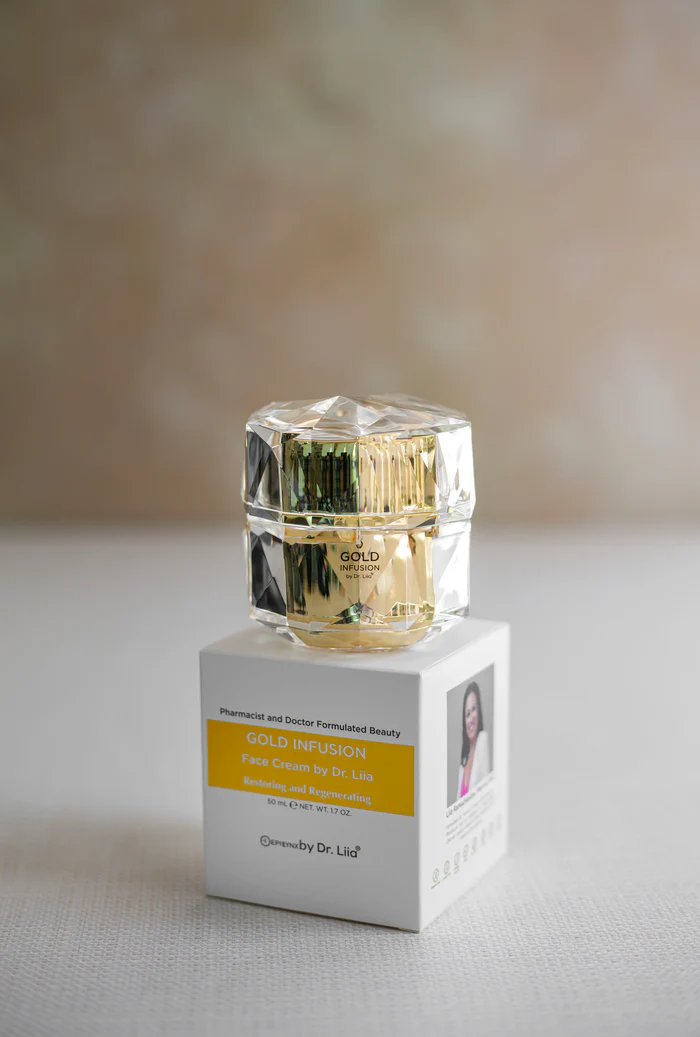
Instead of second-guessing, choose brands designed around allergen safety—like Epilynx.
FAQs on Allergen-Safe Beauty
Q: Who needs allergen-safe beauty?
A: Anyone with allergies, celiac disease, sensitive skin—or anyone who wants safer, cleaner cosmetics.
Q: Is allergen-safe the same as vegan?
A: Not always. Vegan excludes animal ingredients, but allergen-safe also eliminates gluten, nuts, soy, and other allergens.
Q: Can allergens in makeup really cause reactions?
A: Yes. Even trace amounts of gluten, nuts, or soy can trigger skin reactions, rashes, or worse—especially around lips and eyes.
Q: How is Epilynx different from hypoallergenic brands?
A: We go beyond vague promises. Every product is explicitly gluten-free, nut-free, vegan, cruelty-free, and allergen-safe.
Because true beauty is inclusive—safe for everyone, every time.
Final Thought
The future of beauty isn’t just clean—it’s allergen-safe.
Because inclusivity means more than diverse shades—it means creating products that everyone can use safely.
After all, makeup should never come with a warning label.
✨ Ready to experience the future of inclusive beauty? Explore the EpiLynx Allergen-Safe Collection today—because beauty should be for everyone.


Comments
Post a Comment